
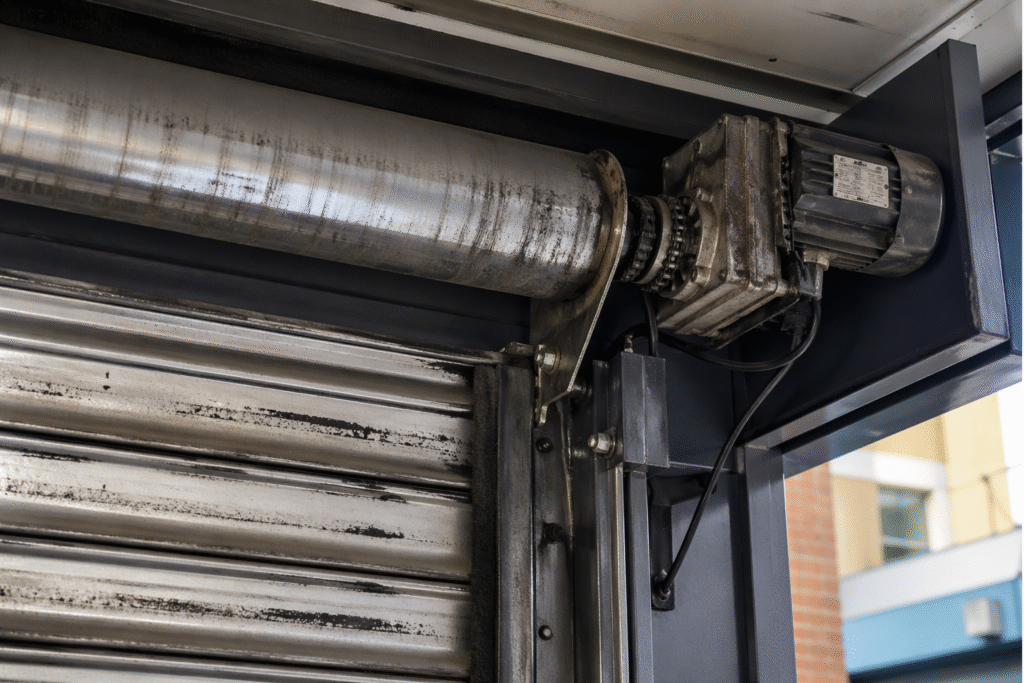
Roller shutters are built to protect property, control access and withstand daily use. However, even a strong shutter can fail if the motor weakens, the guides move out of line or wear and tear builds up unnoticed. That is why roller shutter repairs Wolverhampton is often searched by homeowners and businesses when a shutter becomes slow, noisy, stuck or unreliable.
In Wolverhampton, shutters are used across high street shops, warehouses, industrial units, garages, schools, workshops and domestic properties. Each setting creates different pressures. For example, a shopfront shutter may face daily opening and closing, while a warehouse shutter may deal with vehicle movement, loading activity and heavier use.
The good news is that many shutter failures show warning signs before they become emergencies. If you understand the causes, you can act earlier, reduce repair costs and extend the life of the shutter.
Why roller shutters fail
Most shutters fail because one part of the system starts working harder than it should. A motor may strain because the curtain is dragging. A guide may wear because the shutter is not aligned. A lock may fail because the bottom rail has been knocked out of shape.
In practice, shutter failure usually comes from a combination of:
- motor issues
- wear and tear
- lack of maintenance
- impact damage
- poor alignment
- electrical faults
- weather exposure
- repeated forced operation
A professional repair should always look at the whole system, not just the part that has stopped working. Otherwise, the same fault can return.
Motor issues and slow operation
Motor problems are one of the most common reasons people book roller shutter repairs Wolverhampton. Electric shutters rely on the motor to lift and lower the curtain smoothly. When the motor starts to weaken, the shutter may slow down, hesitate or stop halfway.
Common signs of motor trouble include:
- humming without movement
- slow opening or closing
- intermittent operation
- overheating
- tripping power
- shutter stopping before reaching the limit
- needing several attempts to open or close
However, the motor is not always the root cause. Sometimes the motor struggles because the shutter has become heavy through poor alignment, debris in the guides or damaged slats. For this reason, replacing the motor without checking the system can be a short-term fix.
Wear and tear from daily use
Wear and tear is unavoidable, especially on shutters used every day. Over time, small parts loosen, surfaces rub, locks stiffen and fixings move. Although these changes may seem minor, they gradually affect how the shutter travels.
For businesses, wear is often accelerated by high usage. A retail shutter may operate at least twice a day, while a loading bay shutter may open and close many more times. Meanwhile, homeowners may notice wear more slowly because domestic shutters often have lighter use.
Warning signs include:
- scraping marks in the guides
- loose fixings
- uneven closing
- increased noise
- stiff locking
- minor dents becoming worse
- curtain movement that no longer feels smooth
If you catch wear early, a service visit may be enough. If you leave it too long, the repair can become more involved.
Misalignment and guide rail damage
A roller shutter must move squarely through its guides. If it does not, the curtain can drag, twist or jam. This is one of the most common causes of repeat shutter repairs because the shutter may still work for a while even when alignment is already poor.
Misalignment can be caused by:
- impact to the guide rail
- loose fixings
- worn end locks
- damaged slats
- uneven floor levels
- repeated forcing
- poor installation or previous repair work
In contrast to a simple control fault, alignment issues usually create mechanical resistance. As a result, the motor works harder and the curtain wears faster. If ignored, a small alignment problem can lead to a jammed shutter or a curtain coming out of the guides.
Impact damage from vehicles, trolleys and deliveries
Many shutter failures in commercial settings begin with impact damage. A van clips the guide. A forklift catches the bottom rail. A delivery cage dents the curtain. At first, the shutter may still open and close, so the damage gets ignored.
However, even light impact can alter the way the shutter moves. A bent guide rail may create friction. A damaged bottom rail may stop the curtain sitting correctly. A dented slat may catch during travel.
For Wolverhampton businesses with loading areas, this is especially relevant. Busy yards, narrow access points and regular deliveries increase the risk. Therefore, physical protection such as bollards, marked loading zones and staff awareness can reduce repair frequency.
Electrical faults and control problems
Not every shutter failure is mechanical. Electric shutters can also fail because of issues with switches, remotes, control panels, fuses, isolators, wiring or safety devices.
Typical signs include:
- key switch not responding
- remote working intermittently
- shutter moving only in one direction
- power tripping during operation
- controls clicking but shutter not moving
- safety edge or photocell issues
- delayed response after pressing the button
Electrical faults should always be handled carefully. Business owners and homeowners should avoid opening control panels or attempting DIY rewiring. Instead, a competent shutter engineer should isolate, test and repair the system safely.
Dirt, debris and lack of lubrication
Dirt and debris cause more shutter problems than many owners expect. Grit, packaging straps, leaves, small stones and general site dust can build up in the guides and threshold area. Consequently, the shutter drags, rubs or fails to close fully.
Lubrication can help, but only when used correctly. Too little lubrication can increase friction, while too much or the wrong type can attract dirt and create a sticky build-up. In addition, lubricant should not be sprayed into motors, electrics or sealed components.
A sensible maintenance routine should include:
- clearing guide channels
- removing debris from the shutter line
- checking for fresh rubbing marks
- using suitable lubricant where appropriate
- booking servicing for high-use shutters
This simple approach can prevent many avoidable repairs.
Weather and environmental exposure
Weather can affect both domestic and commercial shutters. Rain, frost, wind, dust and temperature changes all influence how the system performs over time. For example, moisture can contribute to corrosion, while cold weather can make already stiff components feel worse.
Outdoor shutters in exposed locations may show:
- rust around fixings or bottom rails
- stiff locks
- water-related electrical issues
- swollen debris in guides
- increased noise during cold weather
- slower motor response
Although weather cannot be avoided, regular inspection helps. If a shutter behaves differently after heavy rain or cold spells, that is worth noting before it turns into a failure.
Poor previous repairs
A quick repair can solve an immediate issue, but poor workmanship often causes future problems. For example, a shutter may be forced back into operation without correcting guide damage. Alternatively, a motor may be replaced without checking whether the curtain is too heavy or misaligned.
Signs of poor previous repair work can include:
- mismatched parts
- loose covers or fixings
- recurring faults
- uneven travel after repair
- controls behaving inconsistently
- repair work that never fully solved the original issue
For this reason, it is worth choosing a specialist for roller shutter repairs Wolverhampton. A proper repair should restore function and reduce the chance of repeat failure.
When to repair and when to replace parts
A repair is usually suitable when the fault is isolated and the shutter structure remains sound. For example, replacing a damaged switch, adjusting alignment, fitting new locks or repairing guide damage can restore reliable operation.
However, replacement may be better when parts are badly worn, obsolete or repeatedly failing. This can include tired motors, damaged curtains, heavily bent guides or worn control systems.
A good engineer should explain the difference clearly. In practice, the right decision depends on age, usage, fault history, part availability and the cost of repeated call-outs.
How homeowners and businesses can prevent shutter failure
Prevention does not need to be complicated. A few regular checks can help you identify issues before they become emergencies.
Useful steps include:
- operate the shutter fully and listen for changes
- check that it closes level
- keep the threshold clear
- remove debris from guides
- avoid forcing a jammed shutter
- report slow operation early
- protect guides from vehicle impact
- book planned maintenance for busy sites
- keep a repair log for recurring faults
For businesses, this also helps with continuity. A failed shutter can delay opening, affect deliveries or leave premises insecure. Therefore, maintenance is not just a technical task. It is part of protecting daily operations.
Why specialist diagnosis matters
Roller shutters combine moving metalwork, electrical controls, locks, motors and safety considerations. Because of that, a fault in one area can look like a fault somewhere else. For example, a slow shutter might need a motor repair, but it might also need guide alignment and lubrication.
Sunrise Shutters works with roller shutters, shopfronts, installations, emergency repairs and maintenance across the West Midlands. That matters because a specialist can look beyond the immediate symptom and assess the system properly. The aim is not just to get the shutter moving again, but to keep it working safely and reliably.
FAQs about roller shutter repairs Wolverhampton
What is the most common cause of roller shutter failure?
Wear and tear is one of the most common causes, especially when combined with poor maintenance. Motor issues, guide damage and impact damage are also frequent reasons for repair.
Why is my electric shutter moving slowly?
Slow movement may be caused by motor strain, debris in the guides, poor lubrication, misalignment or worn components. A specialist should inspect the full system before recommending a repair.
Can I keep using a noisy roller shutter?
It is better not to. New noise often signals friction, damage or misalignment. Continued use can put extra strain on the motor and increase repair costs.
Are roller shutter motor issues repairable?
Sometimes, yes. The fault may involve controls, power supply, limit settings or a specific component. However, if the motor is worn, overheating or underpowered, replacement may be more cost-effective.
How often should a roller shutter be serviced?
The right frequency depends on usage, environment and shutter type. High-use commercial shutters need more frequent checks than low-use domestic shutters.
Final thoughts
If you need roller shutter repairs Wolverhampton, the key is to act early. Slow operation, noise, uneven travel and intermittent controls are warning signs, not normal behaviour.
Most shutter failures come from motor issues, wear and tear, impact damage, misalignment or lack of maintenance. By spotting these causes early and choosing a specialist repair approach, homeowners and businesses can avoid bigger disruption, improve security and extend the working life of their shutters.